Buy hecke.eu ?
We are moving the project
hecke.eu .
Are you interested in purchasing the domain
hecke.eu ?
domain@kv-gmbh.de · 0541-91531010
Buy hecke.eu ?
Is suspension polymerization a radical polymerization?
Yes, suspension polymerization is a type of radical polymerization. In suspension polymerization, monomers are dispersed in a liquid phase and polymerization is initiated by free radicals. These free radicals are typically generated through the use of initiators, such as peroxides, which break down to form reactive species that initiate the polymerization process. The formation of polymer chains through the addition of monomers to these radicals is a characteristic feature of radical polymerization. **
What is the difference between polymerization and radical polymerization?
Polymerization is the process of combining small molecules (monomers) to form a large molecule (polymer). Radical polymerization is a type of polymerization that involves the use of free radicals to initiate the polymerization reaction. The main difference between polymerization and radical polymerization is the mechanism of initiation. In polymerization, the reaction can be initiated by various methods such as heat, light, or a catalyst, while radical polymerization specifically involves the use of free radicals to start the reaction. Radical polymerization is often used to produce polymers with specific properties, such as high flexibility or toughness. **
Similar search terms for Polymerization
Top-Angebote
Products related to Polymerization:
-
Condor werkzeug 1006 SocketOutput end (profile): Female Torx; Material: Chrome Vanadium Steel; Number of tools: 12; Square Drive Tang Size [mm (inch)]: 6.3 (1/4), 10 (3/8); Packaging width [cm]: 9,80; Packaging length [cm]: 30,80; Packaging height [cm]: 3,3016,99 £*Shipping: 8,45 £Secure redirect to the provider
-
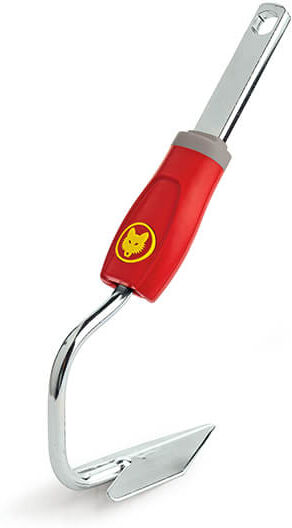
Wolf Garten Multi-Change Dutch HoeThe Wolf Garten Multi-Change Dutch Hoe features a traditional and popular design, an essential for working through weeds in your garden. The hardened on piece blade provides strength and durability when moving through soil to cut and pull put weeds from around your plants and shrubs. Designed to be used with your choice of handle (sold separately) with a simple push of the button and a gentle click. Made in Germany and complete with a 35 year manufacturers guarantee. Dimensions: 9(H) x 13(W) x 25(L)cm.17,99 £*Shipping: 3,50 £Secure redirect to the provider
-
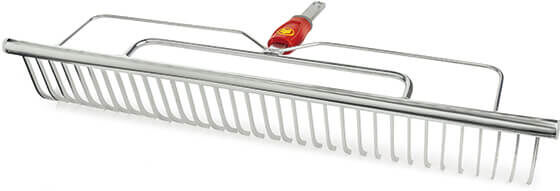
Wolf Garten Multi-Change Longspan RakeThe Wolf Garten Multi-Change Longspan Rake is ideal for using in larger gardens for gathering large quantities of clippings, leaves and grass. The tines are specially designed to glide over the surface of the lawn to avoid damage to the grass. Designed to be used with your choice of handle (sold separately) with a simple push of the button and a gentle click. Made in Germany and complete with a 35 year manufacturers guarantee. Dimensions: 25(H) x 58(W) x 12(L)cm.53,99 £*Shipping: 0,00 £Secure redirect to the provider


-
What are branches in radical polymerization?
Branches in radical polymerization refer to side chains that extend from the main polymer chain. These side chains can result from the presence of branching agents or from chain transfer reactions during the polymerization process. Branches can affect the properties of the polymer, such as its mechanical strength, flexibility, and thermal properties. Controlling the branching in radical polymerization is important for tailoring the properties of the final polymer product. **
-
How does the polymerization of polystyrene occur?
Polystyrene polymerization occurs through a process called chain-growth polymerization. This process involves the repeated addition of monomer units (styrene molecules) to a growing polymer chain. It is initiated by a catalyst or initiator, which starts the reaction by breaking a chemical bond in the monomer. This creates a reactive site that can then bond with another monomer, leading to the formation of a polymer chain. As more and more monomers are added, the polymer chain grows in length, resulting in the formation of polystyrene. **
-
What is the difference between polymerization and polycondensation?
Polymerization is a process where monomers are chemically bonded together to form a polymer without the formation of any byproducts. On the other hand, polycondensation is a specific type of polymerization where the reaction involves the elimination of small molecules, such as water or alcohol, as byproducts. This means that in polycondensation, the polymer is formed through the condensation of two different functional groups, leading to the release of a small molecule. **
-
How can branching occur in a radical polymerization?
Branching can occur in radical polymerization when a polymer chain reacts with a monomer to form a new chain, resulting in the formation of a branch point. This can happen when a growing polymer chain reacts with a monomer that has multiple reactive sites, leading to the formation of a branch. Additionally, termination reactions can also lead to branching when two growing polymer chains react with each other, forming a branched structure. Branching can impact the properties of the polymer, such as its mechanical and thermal properties, and can be controlled by adjusting the reaction conditions and monomer structure. **
What are the main differences between polymerization and polycondensation?
Polymerization is a process in which monomers are linked together to form a polymer without the formation of any byproducts, while polycondensation is a process in which two different monomers react to form a polymer along with the release of small molecules like water or alcohol. In polymerization, the reaction typically involves the same type of monomers, leading to a linear or branched polymer structure, whereas polycondensation involves the reaction of different monomers, resulting in a more complex polymer structure. Additionally, polymerization is often a faster process compared to polycondensation, which can be slower due to the release of byproducts. **
How do you summon Quintet Magician with Ultra Polymerization?
To summon Quintet Magician with Ultra Polymerization, you need to send 5 Fusion Materials from your hand, field, and/or Deck to the Graveyard. These Fusion Materials must be specifically listed on Quintet Magician's card. Once you have sent the required Fusion Materials to the Graveyard, you can activate Ultra Polymerization from your hand, Fusion Summoning Quintet Magician by banishing the Fusion Materials from your Graveyard. **
Top-Angebote
Products related to Polymerization:
-
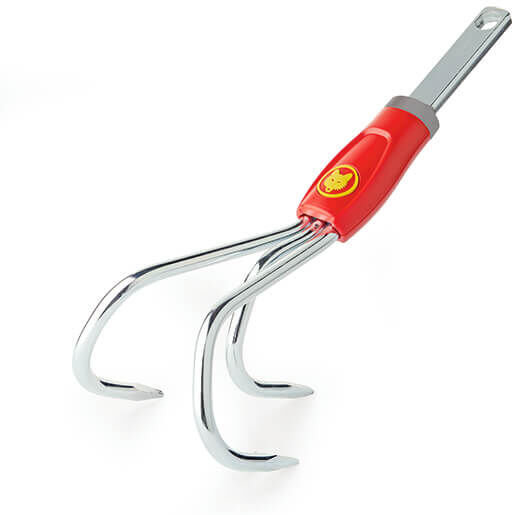
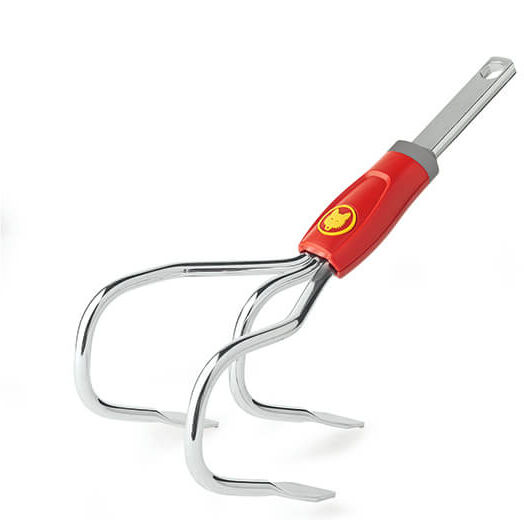
Wolf Garten Multi-Change GrubberThe Wolf Garten Multi-Change Grubber features 3 pointed tines making it easy to break up heavy soil and stony areas when gardening at home. Great for aerating soil ahead of planting or working soil between crops and plants in beds or borders. The 3 heavy duty angled tines help to reduce strain when gardening and is self sharpening, especially ideal on stony ground. Designed to be used (sold separately) with your choice of handle with a simple push of the button and a gentle click. Made in Germany and complete with a 35 year manufacturers guarantee. Dimensions: 25(H) x 9(W) x 9(L)cm.17,99 £*Shipping: 3,50 £Secure redirect to the provider
-
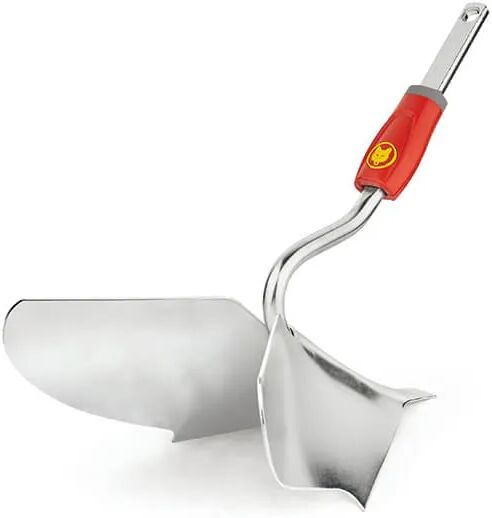
Wolf Garten Multi-Change RidgerThe Wolf Garten Multi-Change Ridger is a wide edge tool that can create 20cm wide furrows in the soil, ideal for planting larger items like potatoes. The sharp end helps to achieve deep furrows with minimal effort but with producing consistent results. Designed to be used with your choice of handle (sold separately) with a simple push of the button and a gentle click. Made in Germany and complete with a 35 year manufacturers guarantee. Dimensions: 40(H) x 20(W) x 25(L)cm.29,69 £*Shipping: 3,50 £Secure redirect to the provider
-
Condor werkzeug 1006 SocketOutput end (profile): Female Torx; Material: Chrome Vanadium Steel; Number of tools: 12; Square Drive Tang Size [mm (inch)]: 6.3 (1/4), 10 (3/8); Packaging width [cm]: 9,80; Packaging length [cm]: 30,80; Packaging height [cm]: 3,3016,99 £*Shipping: 8,45 £Secure redirect to the provider
-
Is suspension polymerization a radical polymerization?
Yes, suspension polymerization is a type of radical polymerization. In suspension polymerization, monomers are dispersed in a liquid phase and polymerization is initiated by free radicals. These free radicals are typically generated through the use of initiators, such as peroxides, which break down to form reactive species that initiate the polymerization process. The formation of polymer chains through the addition of monomers to these radicals is a characteristic feature of radical polymerization. **
-
What is the difference between polymerization and radical polymerization?
Polymerization is the process of combining small molecules (monomers) to form a large molecule (polymer). Radical polymerization is a type of polymerization that involves the use of free radicals to initiate the polymerization reaction. The main difference between polymerization and radical polymerization is the mechanism of initiation. In polymerization, the reaction can be initiated by various methods such as heat, light, or a catalyst, while radical polymerization specifically involves the use of free radicals to start the reaction. Radical polymerization is often used to produce polymers with specific properties, such as high flexibility or toughness. **
-
What are branches in radical polymerization?
Branches in radical polymerization refer to side chains that extend from the main polymer chain. These side chains can result from the presence of branching agents or from chain transfer reactions during the polymerization process. Branches can affect the properties of the polymer, such as its mechanical strength, flexibility, and thermal properties. Controlling the branching in radical polymerization is important for tailoring the properties of the final polymer product. **
-
How does the polymerization of polystyrene occur?
Polystyrene polymerization occurs through a process called chain-growth polymerization. This process involves the repeated addition of monomer units (styrene molecules) to a growing polymer chain. It is initiated by a catalyst or initiator, which starts the reaction by breaking a chemical bond in the monomer. This creates a reactive site that can then bond with another monomer, leading to the formation of a polymer chain. As more and more monomers are added, the polymer chain grows in length, resulting in the formation of polystyrene. **
Similar search terms for Polymerization
-
Wolf Garten Multi-Change Dutch HoeThe Wolf Garten Multi-Change Dutch Hoe features a traditional and popular design, an essential for working through weeds in your garden. The hardened on piece blade provides strength and durability when moving through soil to cut and pull put weeds from around your plants and shrubs. Designed to be used with your choice of handle (sold separately) with a simple push of the button and a gentle click. Made in Germany and complete with a 35 year manufacturers guarantee. Dimensions: 9(H) x 13(W) x 25(L)cm.17,99 £*Shipping: 3,50 £Secure redirect to the provider
-
Wolf Garten Multi-Change Longspan RakeThe Wolf Garten Multi-Change Longspan Rake is ideal for using in larger gardens for gathering large quantities of clippings, leaves and grass. The tines are specially designed to glide over the surface of the lawn to avoid damage to the grass. Designed to be used with your choice of handle (sold separately) with a simple push of the button and a gentle click. Made in Germany and complete with a 35 year manufacturers guarantee. Dimensions: 25(H) x 58(W) x 12(L)cm.53,99 £*Shipping: 0,00 £Secure redirect to the provider
-
Wolf Garten Multi-Change 11cm CultivatorThe Wolf Garten Multi-Change Cultivator 11cm features 3 lance shaped prongs making it easy to break up medium soil to improve water distribution and improve nutrients for cultivating plants. The backwards angle of the prongs allows them to glide through soil with minimum effort with back or muscle strain. Designed to be used (sold separately) with your choice of handle with a simple push of the button and a gentle click. Made in Germany and complete with a 35 year manufacturers guarantee. Dimensions: 25(H) x 11(W) x 9(L)cm.22,49 £*Shipping: 3,50 £Secure redirect to the provider
-
Wolf Garten Multi-Change 3.5cm AeratorThe Wolf Garten Multi-Change Aerator 3.5cm is ideal for gardening in narrow beds or confined spaces allow optimum nutrient distribution. The shape and design of the narrow head makes it useful for drawing through the soil with ease to avoid back or muscle strain. Designed to be used (sold separately) with your choice of handle with a simple push of the button and a gentle click. Made in Germany and complete with a 35 year manufacturers guarantee. Dimensions: 25(H) x 3.5(W) x 9(L)cm.17,99 £*Shipping: 3,50 £Secure redirect to the provider
-
What is the difference between polymerization and polycondensation?
Polymerization is a process where monomers are chemically bonded together to form a polymer without the formation of any byproducts. On the other hand, polycondensation is a specific type of polymerization where the reaction involves the elimination of small molecules, such as water or alcohol, as byproducts. This means that in polycondensation, the polymer is formed through the condensation of two different functional groups, leading to the release of a small molecule. **
-
How can branching occur in a radical polymerization?
Branching can occur in radical polymerization when a polymer chain reacts with a monomer to form a new chain, resulting in the formation of a branch point. This can happen when a growing polymer chain reacts with a monomer that has multiple reactive sites, leading to the formation of a branch. Additionally, termination reactions can also lead to branching when two growing polymer chains react with each other, forming a branched structure. Branching can impact the properties of the polymer, such as its mechanical and thermal properties, and can be controlled by adjusting the reaction conditions and monomer structure. **
-
What are the main differences between polymerization and polycondensation?
Polymerization is a process in which monomers are linked together to form a polymer without the formation of any byproducts, while polycondensation is a process in which two different monomers react to form a polymer along with the release of small molecules like water or alcohol. In polymerization, the reaction typically involves the same type of monomers, leading to a linear or branched polymer structure, whereas polycondensation involves the reaction of different monomers, resulting in a more complex polymer structure. Additionally, polymerization is often a faster process compared to polycondensation, which can be slower due to the release of byproducts. **
-
How do you summon Quintet Magician with Ultra Polymerization?
To summon Quintet Magician with Ultra Polymerization, you need to send 5 Fusion Materials from your hand, field, and/or Deck to the Graveyard. These Fusion Materials must be specifically listed on Quintet Magician's card. Once you have sent the required Fusion Materials to the Graveyard, you can activate Ultra Polymerization from your hand, Fusion Summoning Quintet Magician by banishing the Fusion Materials from your Graveyard. **
* All prices are inclusive of VAT and, if applicable, plus shipping costs. The offer information is based on the details provided by the respective shop and is updated through automated processes. Real-time updates do not occur, so deviations can occur in individual cases. ** Note: Parts of this content were created by AI.