Buy hecke.eu ?
We are moving the project
hecke.eu .
Are you interested in purchasing the domain
hecke.eu ?
domain@kv-gmbh.de · 0541-91531010
Buy hecke.eu ?
Are states of aggregation material properties?
States of aggregation, such as solid, liquid, and gas, are not material properties themselves, but rather describe the physical state of a material. Material properties refer to characteristics such as density, hardness, and conductivity that are inherent to the material itself. However, the state of aggregation can affect the material properties, as a substance's behavior and properties can change depending on its state (e.g. water's conductivity changes when it transitions from a liquid to a solid state). Therefore, while states of aggregation are not material properties, they can have a significant impact on a material's behavior and characteristics. **
What is a state of aggregation?
A state of aggregation refers to the physical state in which matter exists, such as solid, liquid, or gas. It describes how the particles of a substance are arranged and how they move. The state of aggregation of a substance can change with variations in temperature and pressure. Understanding the state of aggregation is important in fields such as chemistry and physics, as it helps to explain the behavior and properties of different materials. **
Similar search terms for Aggregation
Top-Angebote
Products related to Aggregation:
-
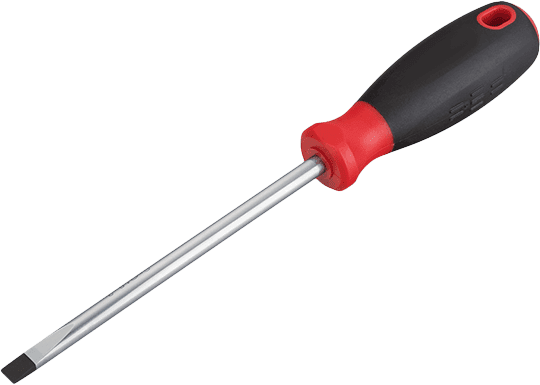
Condor werkzeug 1006 SocketOutput end (profile): Female Torx; Material: Chrome Vanadium Steel; Number of tools: 12; Square Drive Tang Size [mm (inch)]: 6.3 (1/4), 10 (3/8); Packaging width [cm]: 9,80; Packaging length [cm]: 30,80; Packaging height [cm]: 3,3016,99 £*Shipping: 8,45 £Secure redirect to the provider
-
Wolf Garten Multi-Change Weeding BrushThe Wolf Garten Multi-Change Weeding Brush is designed for efficient weeding, featuring stiff plastic bristles that provide deep cleaning for your garden. Its ergonomic design ensures comfortable use, making gardening tasks less strenuous. With a replaceable brush block feature, this tool offers longevity and practicality, reflecting dependable German engineering. Dimensions: 50(L)cm.17,99 £*Shipping: 3,50 £Secure redirect to the provider
-
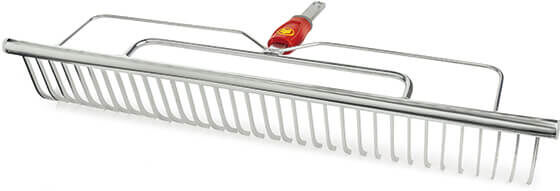
Wolf Garten Multi-Change Longspan RakeThe Wolf Garten Multi-Change Longspan Rake is ideal for using in larger gardens for gathering large quantities of clippings, leaves and grass. The tines are specially designed to glide over the surface of the lawn to avoid damage to the grass. Designed to be used with your choice of handle (sold separately) with a simple push of the button and a gentle click. Made in Germany and complete with a 35 year manufacturers guarantee. Dimensions: 25(H) x 58(W) x 12(L)cm.53,99 £*Shipping: 0,00 £Secure redirect to the provider


-
What are the states of aggregation of acids?
Acids can exist in different states of aggregation depending on their chemical properties and environmental conditions. In general, acids can be found in solid, liquid, or gaseous states. For example, hydrochloric acid (HCl) is typically found in a liquid state, while sulfuric acid (H2SO4) is commonly found in a liquid state but can also exist as a solid at lower temperatures. Some acids, such as hydrofluoric acid (HF), can exist as a gas at room temperature. **
-
How do the terms aggregation and consolidation differ?
Aggregation and consolidation are both methods used in financial reporting to combine financial information from multiple entities. Aggregation involves combining data at a high level, such as adding up revenues or expenses across different departments or business units. On the other hand, consolidation involves combining financial statements of multiple entities into a single set of financial statements, typically when one entity has control over the others. In summary, aggregation is more about combining data at a high level, while consolidation involves combining financial statements of multiple entities into one. **
-
How can one determine the state of aggregation?
The state of aggregation of a substance can be determined by observing its physical properties such as shape, volume, and density. For example, a substance that has a fixed shape and volume is in a solid state of aggregation, while a substance that takes the shape of its container and has a fixed volume is in a liquid state of aggregation. A substance that takes the shape of its container and expands to fill the entire volume is in a gaseous state of aggregation. Additionally, the melting and boiling points of a substance can also provide information about its state of aggregation. **
-
Is the state of aggregation of fire gaseous?
Yes, the state of aggregation of fire is gaseous. When a substance undergoes combustion, it releases heat and light, and the resulting gases are in a gaseous state. These gases include carbon dioxide, water vapor, nitrogen, and other combustion byproducts. Therefore, fire is considered to be in a gaseous state of aggregation. **

Is link aggregation faster even for just one user?
Link aggregation can potentially provide faster speeds for a single user, depending on the specific setup and network conditions. By combining multiple network connections, link aggregation can increase the available bandwidth and improve overall network performance. However, the actual speed improvement for a single user may vary and is influenced by factors such as the type of network activity, the capabilities of the devices involved, and the network configuration. In general, link aggregation is more commonly used to distribute traffic across multiple users or devices to optimize network performance. **
How does the state of aggregation proceed in alkanes?
In alkanes, the state of aggregation proceeds from gaseous to liquid to solid as the temperature decreases. At higher temperatures, alkanes exist as gases, where the molecules are widely spaced and have high kinetic energy. As the temperature decreases, the molecules come closer together and the intermolecular forces become stronger, causing the alkanes to condense into a liquid state. Finally, at even lower temperatures, the intermolecular forces become strong enough to hold the molecules in a fixed position, resulting in a solid state. **
Top-Angebote
Products related to Aggregation:
-
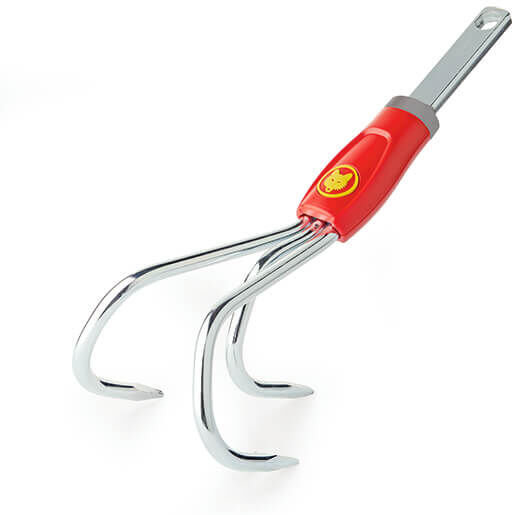
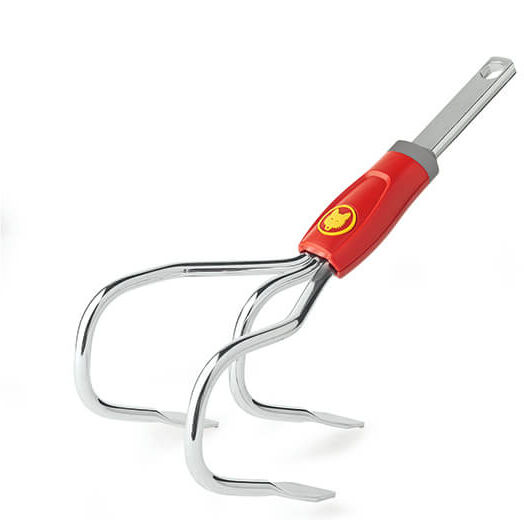
Wolf Garten Multi-Change GrubberThe Wolf Garten Multi-Change Grubber features 3 pointed tines making it easy to break up heavy soil and stony areas when gardening at home. Great for aerating soil ahead of planting or working soil between crops and plants in beds or borders. The 3 heavy duty angled tines help to reduce strain when gardening and is self sharpening, especially ideal on stony ground. Designed to be used (sold separately) with your choice of handle with a simple push of the button and a gentle click. Made in Germany and complete with a 35 year manufacturers guarantee. Dimensions: 25(H) x 9(W) x 9(L)cm.17,99 £*Shipping: 3,50 £Secure redirect to the provider
-
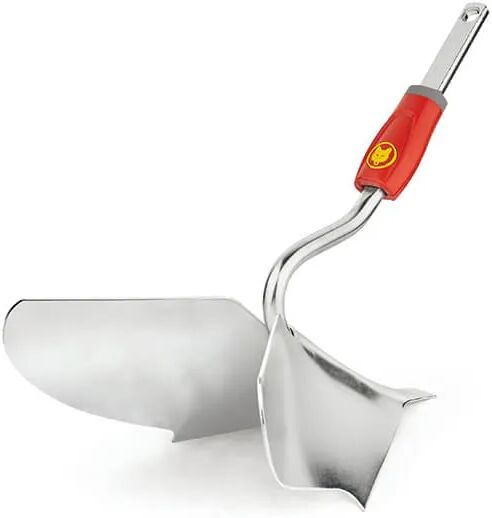
Wolf Garten Multi-Change RidgerThe Wolf Garten Multi-Change Ridger is a wide edge tool that can create 20cm wide furrows in the soil, ideal for planting larger items like potatoes. The sharp end helps to achieve deep furrows with minimal effort but with producing consistent results. Designed to be used with your choice of handle (sold separately) with a simple push of the button and a gentle click. Made in Germany and complete with a 35 year manufacturers guarantee. Dimensions: 40(H) x 20(W) x 25(L)cm.29,69 £*Shipping: 3,50 £Secure redirect to the provider
-
Condor werkzeug 1006 SocketOutput end (profile): Female Torx; Material: Chrome Vanadium Steel; Number of tools: 12; Square Drive Tang Size [mm (inch)]: 6.3 (1/4), 10 (3/8); Packaging width [cm]: 9,80; Packaging length [cm]: 30,80; Packaging height [cm]: 3,3016,99 £*Shipping: 8,45 £Secure redirect to the provider
-
Are states of aggregation material properties?
States of aggregation, such as solid, liquid, and gas, are not material properties themselves, but rather describe the physical state of a material. Material properties refer to characteristics such as density, hardness, and conductivity that are inherent to the material itself. However, the state of aggregation can affect the material properties, as a substance's behavior and properties can change depending on its state (e.g. water's conductivity changes when it transitions from a liquid to a solid state). Therefore, while states of aggregation are not material properties, they can have a significant impact on a material's behavior and characteristics. **
-
What is a state of aggregation?
A state of aggregation refers to the physical state in which matter exists, such as solid, liquid, or gas. It describes how the particles of a substance are arranged and how they move. The state of aggregation of a substance can change with variations in temperature and pressure. Understanding the state of aggregation is important in fields such as chemistry and physics, as it helps to explain the behavior and properties of different materials. **
-
What are the states of aggregation of acids?
Acids can exist in different states of aggregation depending on their chemical properties and environmental conditions. In general, acids can be found in solid, liquid, or gaseous states. For example, hydrochloric acid (HCl) is typically found in a liquid state, while sulfuric acid (H2SO4) is commonly found in a liquid state but can also exist as a solid at lower temperatures. Some acids, such as hydrofluoric acid (HF), can exist as a gas at room temperature. **
-
How do the terms aggregation and consolidation differ?
Aggregation and consolidation are both methods used in financial reporting to combine financial information from multiple entities. Aggregation involves combining data at a high level, such as adding up revenues or expenses across different departments or business units. On the other hand, consolidation involves combining financial statements of multiple entities into a single set of financial statements, typically when one entity has control over the others. In summary, aggregation is more about combining data at a high level, while consolidation involves combining financial statements of multiple entities into one. **
Similar search terms for Aggregation
-
Wolf Garten Multi-Change Weeding BrushThe Wolf Garten Multi-Change Weeding Brush is designed for efficient weeding, featuring stiff plastic bristles that provide deep cleaning for your garden. Its ergonomic design ensures comfortable use, making gardening tasks less strenuous. With a replaceable brush block feature, this tool offers longevity and practicality, reflecting dependable German engineering. Dimensions: 50(L)cm.17,99 £*Shipping: 3,50 £Secure redirect to the provider
-
Wolf Garten Multi-Change Longspan RakeThe Wolf Garten Multi-Change Longspan Rake is ideal for using in larger gardens for gathering large quantities of clippings, leaves and grass. The tines are specially designed to glide over the surface of the lawn to avoid damage to the grass. Designed to be used with your choice of handle (sold separately) with a simple push of the button and a gentle click. Made in Germany and complete with a 35 year manufacturers guarantee. Dimensions: 25(H) x 58(W) x 12(L)cm.53,99 £*Shipping: 0,00 £Secure redirect to the provider
-
Wolf Garten Multi-Change 11cm CultivatorThe Wolf Garten Multi-Change Cultivator 11cm features 3 lance shaped prongs making it easy to break up medium soil to improve water distribution and improve nutrients for cultivating plants. The backwards angle of the prongs allows them to glide through soil with minimum effort with back or muscle strain. Designed to be used (sold separately) with your choice of handle with a simple push of the button and a gentle click. Made in Germany and complete with a 35 year manufacturers guarantee. Dimensions: 25(H) x 11(W) x 9(L)cm.22,49 £*Shipping: 3,50 £Secure redirect to the provider
-
Wolf Garten Multi-Change 3.5cm AeratorThe Wolf Garten Multi-Change Aerator 3.5cm is ideal for gardening in narrow beds or confined spaces allow optimum nutrient distribution. The shape and design of the narrow head makes it useful for drawing through the soil with ease to avoid back or muscle strain. Designed to be used (sold separately) with your choice of handle with a simple push of the button and a gentle click. Made in Germany and complete with a 35 year manufacturers guarantee. Dimensions: 25(H) x 3.5(W) x 9(L)cm.17,99 £*Shipping: 3,50 £Secure redirect to the provider
-
How can one determine the state of aggregation?
The state of aggregation of a substance can be determined by observing its physical properties such as shape, volume, and density. For example, a substance that has a fixed shape and volume is in a solid state of aggregation, while a substance that takes the shape of its container and has a fixed volume is in a liquid state of aggregation. A substance that takes the shape of its container and expands to fill the entire volume is in a gaseous state of aggregation. Additionally, the melting and boiling points of a substance can also provide information about its state of aggregation. **
-
Is the state of aggregation of fire gaseous?
Yes, the state of aggregation of fire is gaseous. When a substance undergoes combustion, it releases heat and light, and the resulting gases are in a gaseous state. These gases include carbon dioxide, water vapor, nitrogen, and other combustion byproducts. Therefore, fire is considered to be in a gaseous state of aggregation. **
-
Is link aggregation faster even for just one user?
Link aggregation can potentially provide faster speeds for a single user, depending on the specific setup and network conditions. By combining multiple network connections, link aggregation can increase the available bandwidth and improve overall network performance. However, the actual speed improvement for a single user may vary and is influenced by factors such as the type of network activity, the capabilities of the devices involved, and the network configuration. In general, link aggregation is more commonly used to distribute traffic across multiple users or devices to optimize network performance. **
-
How does the state of aggregation proceed in alkanes?
In alkanes, the state of aggregation proceeds from gaseous to liquid to solid as the temperature decreases. At higher temperatures, alkanes exist as gases, where the molecules are widely spaced and have high kinetic energy. As the temperature decreases, the molecules come closer together and the intermolecular forces become stronger, causing the alkanes to condense into a liquid state. Finally, at even lower temperatures, the intermolecular forces become strong enough to hold the molecules in a fixed position, resulting in a solid state. **
* All prices are inclusive of VAT and, if applicable, plus shipping costs. The offer information is based on the details provided by the respective shop and is updated through automated processes. Real-time updates do not occur, so deviations can occur in individual cases. ** Note: Parts of this content were created by AI.